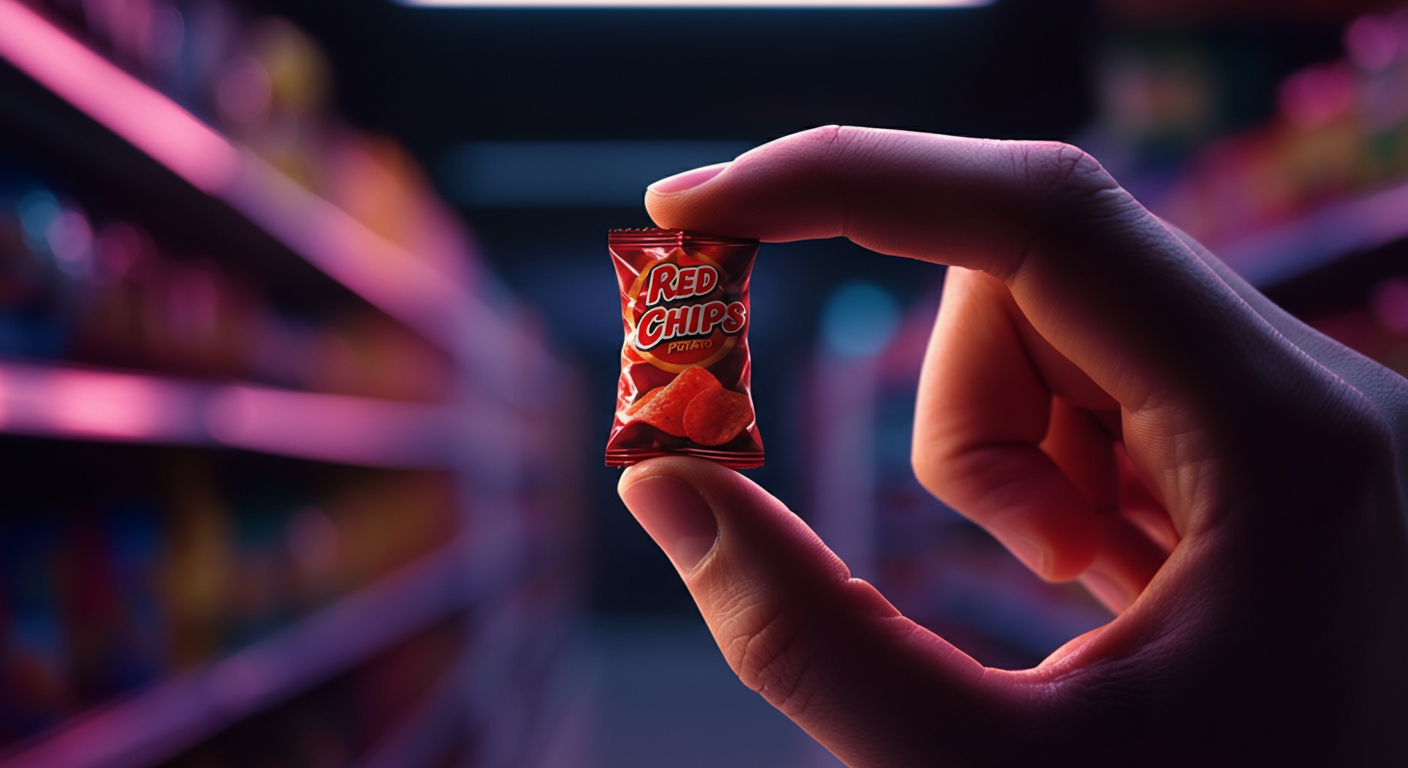
Your grandmother’s brownie recipe didn’t suddenly break. The laws of thermodynamics haven't shifted. But that bag of chocolate chips you just bought? It is lying to you.
Shrinkflation & Grocery Rage isn't just about the receipt; it's about the chemistry in your mixing bowl. While 59% of shoppers (Morning Consult) are rightfully furious about the sticker price, a quieter disaster is ruining dinner.
Economist Pippa Malmgren coined "shrinkflation" in 2009 to describe hidden inflation, but she likely didn't predict it would render cookbooks obsolete. That "standard" 16-ounce can of tomatoes your vintage recipe card demands? It is 14.5 ounces today. The block of cream cheese? Shaved down by conglomerates like Mondelez International to protect margins.
Upload a photo of today's grocery receipt. The financial data is terrifying, but the missing ounces are why your sauce won't bind.
The Economics of "Greedflation": Why They Do It
We treat shrinkflation as a financial pinch. It is actually a utility crisis. Companies are betting on Price Elasticity of Demand—the economic theory that you will scream if the price goes up $0.50, but you won't notice if the bag gets 10% lighter. They are testing how much they can take away before you snap.
ð Key Takeaways
- The Economics of "Greedflation": Why They Do It
- The Molecular Deficit: Why The Chemistry Fails
- How to Fight Back
They were wrong. We noticed.
Senator Bob Casey released blistering reports on "Greedflation" throughout 2024, exposing how corporations used general inflation as cover to shrink products while padding Corporate Profit Margins. The Bureau of Labor Statistics (BLS) tracks the Consumer Price Index (CPI), but their methodology often struggles to capture the sheer frustration of a ruined birthday cake. The government measures inflation; you measure failure.
Standard recipes rely on standardized inputs. A recipe from 1995 calling for "one bag of chocolate chips" assumes 12 ounces. Today, that bag is often 10 ounces. That is a 16% deficit in fat and sugar. The Net Weight printed on the label protects manufacturers from the Federal Trade Commission (FTC), but it leaves your holiday cookies dry and crumbless. You aren't losing your touch. You are losing your ingredients.
"We are witnessing the silent erasure of generational knowledge. When the 'standard unit' of a recipe ceases to exist, the recipe itself becomes obsolete. Consumers are paying for the privilege of failing at dinner." — Edgar Dworsky, Founder of Consumer World
The Molecular Deficit: Why The Chemistry Fails
If you want to see the anger firsthand, visit r/shrinkflation. It is the ground zero of grocery rage, a digital graveyard where users post "Before and After" photos of packaging that looks identical but weighs less.
This "Broken Recipe" crisis functions through three mechanisms that destroy culinary chemistry:
- Hydration Imbalance: Baking is math. A standard can of pumpkin puree dropping from 16 oz to 15 oz alters the moisture percentage by 6.25%. Without manual correction, the resulting pie texture becomes rubbery.
- Lipid Replacement (Skimpflation): It gets worse. Beyond size, brands are quietly swapping expensive cocoa butter for cheap vegetable oils. This raises the melting point. Your chocolate chips don't melt into the dough; they sit there, waxy and defiant.
- The Slack Fill Gap: As long as the number on the bag matches the contents, the empty space (slack fill) is legal. It tricks your eye into thinking you have enough volume for the pan. You don't.
The burden of quality control has shifted entirely from the manufacturer to you. You can't trust the pantry; you have to trust the scale.
How to Fight Back
- Ignore the Sticker Price: Look at the Unit Pricing (price per ounce) on the shelf tag. It is the only metric that doesn't lie.
- Check Mouseprint.org: This resource tracks the fine print changes brands hope you miss.
- Weigh Everything: Never dump a "bag" or "can" directly into a mix. Weigh the contents to see if they match your recipe's requirements.
ð Worth Noting: But that bag of chocolate chips you just bought