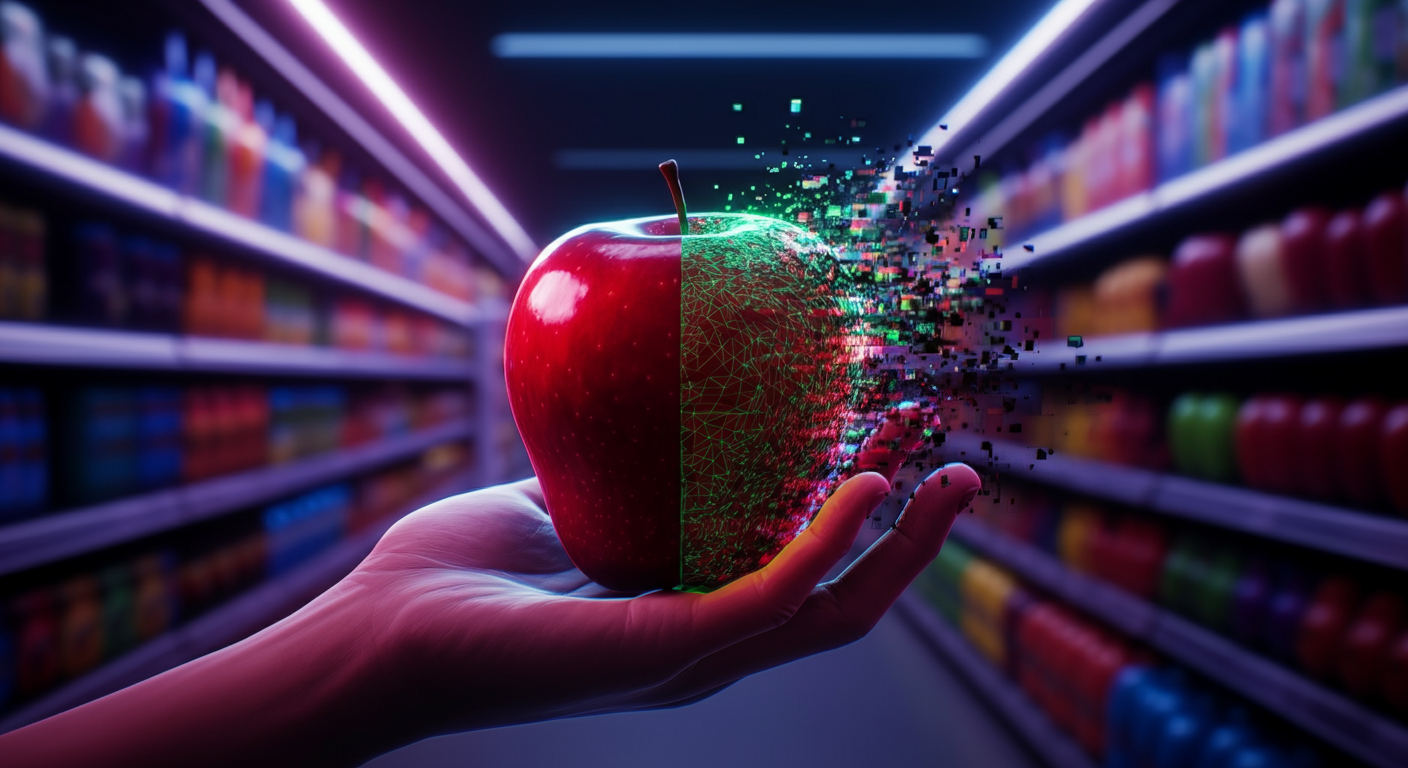
I fed a crumpled receipt into the new "Grocery Gaslight" Simulator and watched my blood pressure spike. The screen flashed a brutal calculation: that $150 haul cost just $112 in 2019.
But the rage you feel isn't just nostalgia; it's math. While Bureau of Labor Statistics (BLS) data confirms a cumulative 25.8% grocery price increase since 2020, the simulator exposes the hidden mechanism driving it. This isn't about supply chains anymore. It's about software.
The real culprit is Algorithmic Pricing—enterprise engines designed to automate the "boiling frog" effect on your wallet. These B2B tools measure your "Willingness to Pay" down to the cent, testing tiny hikes until you break. Retailers aren't just selling food; they are A/B testing your desperation.
The Price Elasticity Blueprint
Stop blaming the logistics network. Shipping costs stabilized years ago. The reason your bill keeps climbing is that major retailers like Kroger and Albertsons have swapped human merchant intuition for pricing engines like Revionics and Eversight. These platforms don't calculate fair value; they calculate pain thresholds.
The software runs thousands of simulations to determine the exact cent-point where you stop buying eggs. This is the "Boiling Frog" algorithm: incremental hikes tested on specific demographics to maximize yield without triggering a boycott. If the algorithm sees you are still buying at the new price, that price becomes the floor. It exploits Anchoring Bias—once you get used to paying $7 for cereal, the system immediately starts testing for $7.25.
ð Key Takeaways
- The Price Elasticity Blueprint
- Shrinkflation: The Digital Detective
- The Data Trap
- How to Beat the Algorithm
"We are seeing a fundamental shift where pricing is no longer determined by competition, but by the consumer's willingness to pay as calculated by AI. It is a form of sellers' inflation that systematically tests how much consumers will tolerate." — Isabella Weber, Economist at the University of Massachusetts Amherst
The physical infrastructure for this squeeze is already in the aisles. Electronic Shelf Labels (ESLs)—those digital tags replacing paper stickers—aren't there to save paper. They are the gateway to surge pricing. They allow stores to shift prices hourly rather than weekly, responding to demand spikes in real-time. If the simulator feels rigged, that's because the real world is.
Shrinkflation: The Digital Detective
Before AI, spotting the squeeze required a magnifying glass. Edgar Dworsky, founder of Consumer World, spent decades manually tracking package downsizing, acting as the lone detective against Shrinkflation. The simulator digitizes Dworsky’s work, challenging players to notice when a box of crackers sheds 0.5 ounces while the price stays flat.
But the game—and reality—goes deeper than just size. It models Skimpflation, where manufacturers quietly swap in cheaper ingredients (like palm oil for cocoa butter) to preserve margins. Communities like r/Shrinkflation have become the de facto database for these changes, but the average shopper walks right into the trap. The simulator forces you to pay attention or lose your budget.
The Data Trap
How does the store know exactly how much you'll pay? You told them. The simulator highlights how "Just For You" digital coupons are actually price discrimination tools. By using them, you feed the algorithm data on your price sensitivity.
It’s a trade-off most make willingly, even if begrudgingly. A 2024 survey found that 72% of consumers feel loyalty programs manipulate them, yet participation remains near 100% because it's the only way to access the "real" price. The software effectively creates a personalized inflation rate for every shopper.
When the game ends, it gives you a score based on Purchasing Power Parity—showing that while your virtual wages might look higher than in 2019, your actual ability to buy goods has collapsed. It’s a sobering check on "Greedflation" that hits harder than any news report.
How to Beat the Algorithm
The simulator teaches one primary lesson: ignore the big number. The sticker price is marketing; the math is in the fine print.
- Watch the Unit Price: The only way to defeat package downsizing is to shop strictly by "Price Per Ounce" or "Price Per Gram."
- Spot the Loss Leader: Stores will sell you milk or eggs at a loss (the Loss Leader) to get you in the door, banking on the fact that you'll overpay for the algorithmic-priced cereal and spices.
- Break the Anchor: If a price jumps, switch brands immediately. The algorithm only learns "resistance" when sales volume drops.
ð Worth Noting: But the rage you feel isn't just nostalgia; it's math